


When I made the decision to move my king’s pawn to e3 after black accepted the Queen’s Gambit. I learned of a Chess opening trap that led me to prefer pawn to e3 over e4. In this trap, black will lose a knight, bishop, or rook depending on which mistake they make.


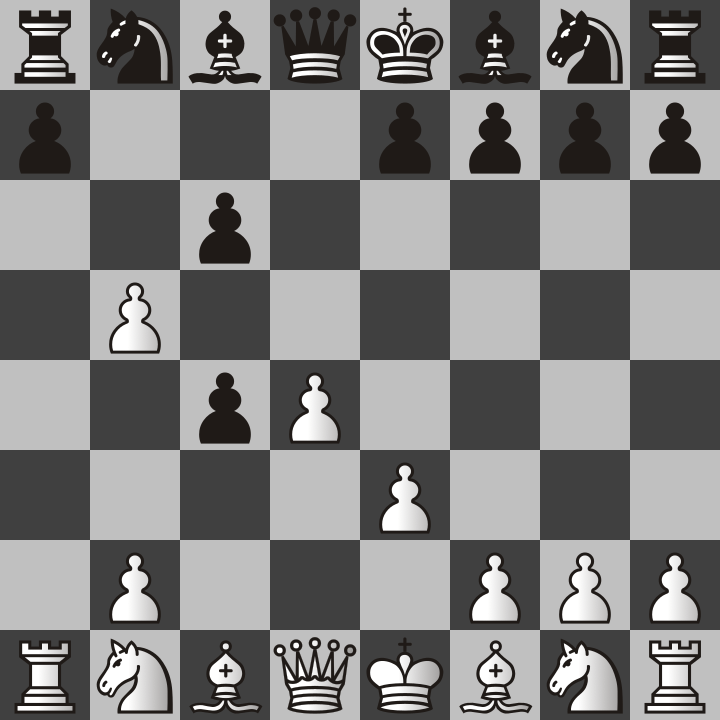


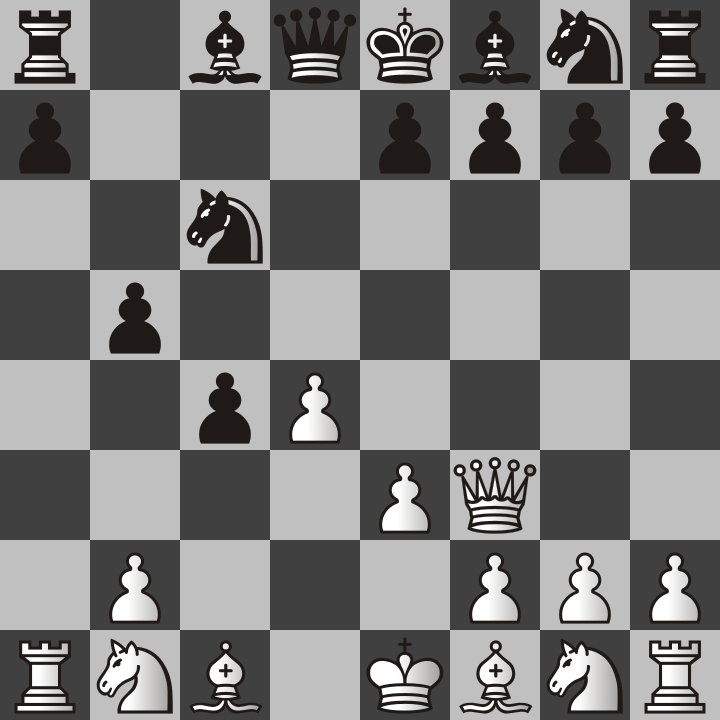

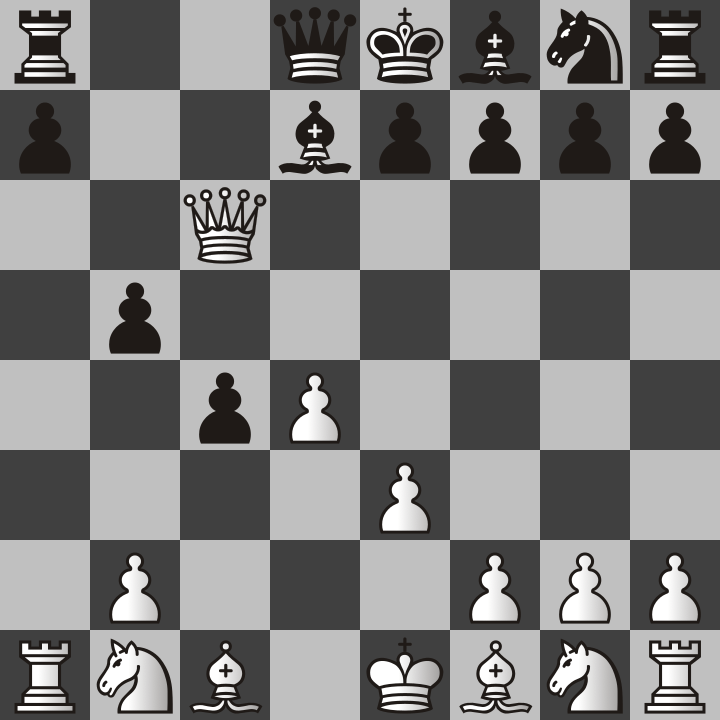

What I learned about this is that even though pawn to e3 blocks the dark squared bishop from getting out past it, the high chance that my opponent will fall into this trap makes it worth it. That bishop also should be kept there to defend the king from diagonal checks in the future.
If you are the black player, I would recommend against accepting the Queen’s Gambit entirely. It leads to many traps by white. If you do accept it, you will lose your pawn anyway. Don’t waste time with that and instead move out other pawns depending on what pieces you plan to move. Below are the two most common responses to the Queen’s Gambit. The following is my written recommendations black should play instead.
1. d4 d5 2. c4
! Good moves for Black
-
e6 Defend the d5 pawn by moving the king’s pawn to e6. If white decides to capture the d5 pawn black will capture back and then white will still not be able to move their bishop to c4. Playing e6 is called the “Queen’s Gambit Declined”. This is the best move in my opinion because moving this pawn there prevents diagonal attacks on the f7 square even if white does manage to get their bishop or queen lined up there.
-
c6 Although it is less common, c6, known as the “Slav Defense” is another way to decline the gambit. By playing this move, black is hinting at a possible check against the white king by moving the black queen to a5. In any case, this move has the same idea that black will capture back on d5 if white’s c4 pawn takes it. It isn’t bad but
? Bad moves for Black
- dxc4 If black takes this pawn, they can fall into one of many possible traps. It is nearly impossible to prevent white from taking back this pawn with the bishop after moving the e pawn. Also, white now has the option to safely move the e pawn to e4 without it being captured because black no longer has the pawn on d5. If black has played dxc4 here, then they are now in a “Queen’s Gambit Accepted” position. White has the advantage of controlling the center with both their king and queen pawns. Black can still win of course but it will be much harder from here.
Queen’s Gambit Declined

1. d4 d5 2. c4 e6
If black declines the Queen’s Gambit with e6, there are some things white must look out for. First, by moving the e pawn, black allows their dark squared bishop to get out next turn. This can possibly put the king in check and/or pin the knight if it has moved to c3. Therefore, all evaluation of moves should consider this threat.
! Good moves for White
-
c5 By advancing the c4 pawn to c5, black is prevented from getting their dark squared bishop out entirely. I recommend this as the best move because now both of black’s bishops are prevented from getting out. They already blocked their light squared bishop on e6 and now our c5 pawn prevents them from moving the dark squared bishop there unless they are prepared to get killed by the d4 pawn in response.
-
a3 is not the most offensive move but it is a nice defensive measure to prevent the dark squared bishop from coming to b4. This move should be done if white wants to safely move their knight to c3.
-
Nf3 Moving the knight to f3 is particularly good in the Queen’s Gambit Declined position because it is safe here and can possibly move to e5 next turn. It also means we have not committed to whether we will move the e pawn one or two squares.
? Bad moves for White
- Nc3 Whatever you do, don’t try moving the knight to c3 on this turn unless you are prepared to lose it! You can move it here later if you wish but not until you have dealt with the threat of black’s dark squared bishop first. There will be some people who disagree with me on this because they think losing a knight to take down a bishop is a fair trade. However, I protect my knights because they are my “Queen Killers” and are often involved in forks later in the end game that my opponents don’t see. If you move the knight to c3 here, the bishop can move to b4 and the knight can’t move because that would put the king in check.
Slav Defense

1. d4 d5 2. c4 c6
I must admit that I have not studied the Slav Defense as much as I have the Queen’s Gambit Declined or Queen’s Gambit Accepted. However, I do have two recommendations for white moves here.
- Nf3 is a solid move because the knight will certainly be involve in the game at some point and is not under immediate threat.
- Bf4 is a good idea here because we can target the knight on b8 now that the c pawn is not in the way. We have a lot of options for where the bishop can go from here. It is a safe move at this point with no real downsides. Don’t hesitate to kill the knight with the bishop unless you are player who prefers to keep your bishops alive. There is some matter of preference when it comes to the value of knights vs bishops.
As I play more games in the Slav defense, I may have more to say here. The Slav Defense has its own merits even though it is not as popular as other responses to the Queen’s Gambit.
Follow me for More Chess Tips
I play Chess on Lichess.org almost daily. You can find me as user chastitywhiterose. Send me a challenge for a correspondence game or contact me for setting up a time for some live classical Chess!
I also stream on Twitch and upload the videos to YouTube also.
 Chastity's Chess Challenge
Please leave me any comments or questions you have! I will update posts if necessary based on user feedback!